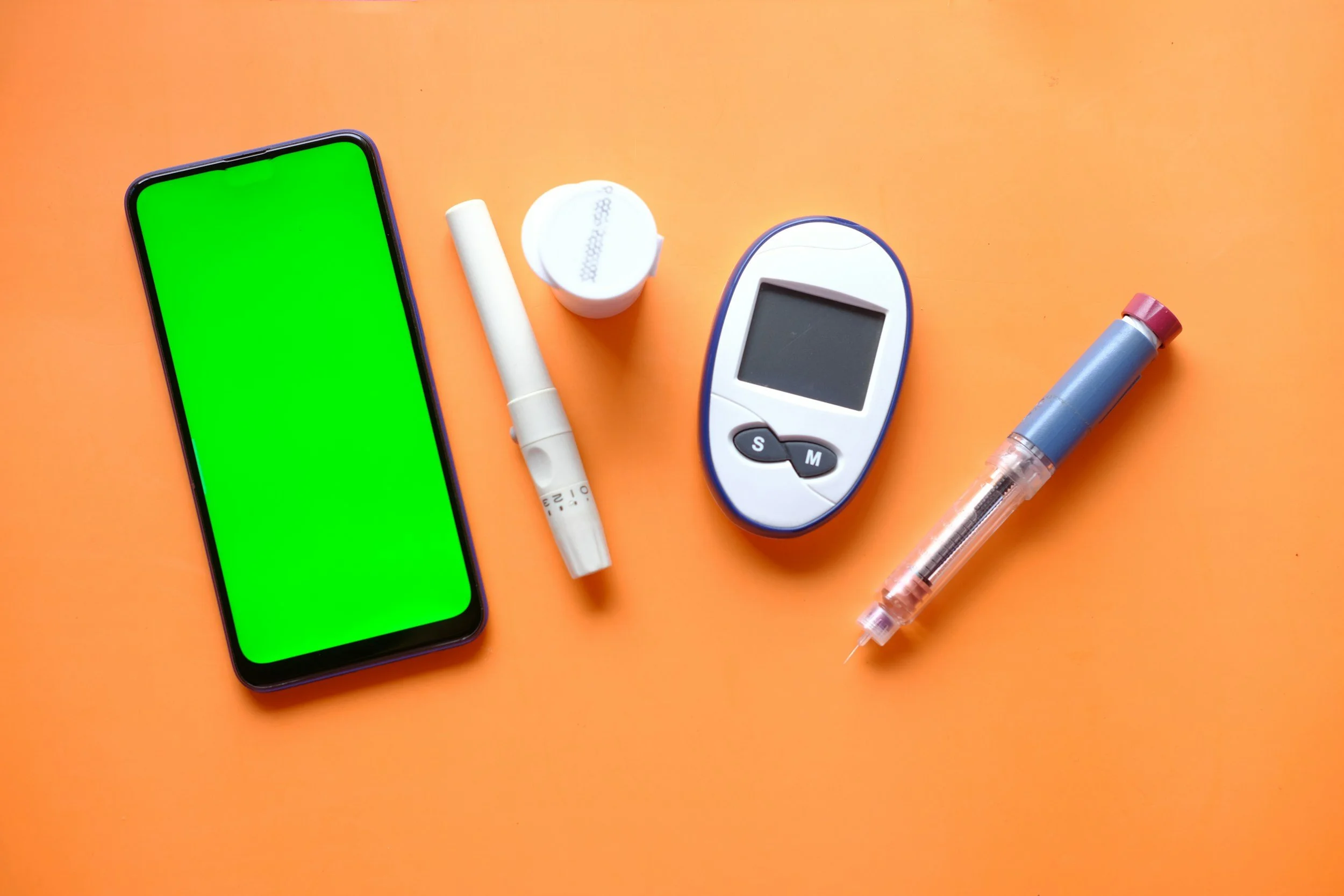
diabetes self-management
DIABETES SELF-CARE MANAGEMENT
Your 10 Keys to Diabetes Self-Management
Managing diabetes is a lifelong partnership between you and your care team. The habits you build today protect your heart, kidneys, eyes, nerves, and more. This guide gives you the 10 most important building blocks for a healthier life with diabetes.
1. Know Your Numbers
▸ Blood sugar (glucose) target: Fasting 80–130 mg/dL; 2-hr after meals <180 mg/dL
▸ A1C goal: <7% (or adjusted target) is your 3-month average blood sugar snapshot
▸ Blood pressure target: <130/80 mmHg · LDL cholesterol: <70 mg/dL
▸ Check your numbers at every visit and keep a log at home
2. Monitor Your Blood Sugar Consistently
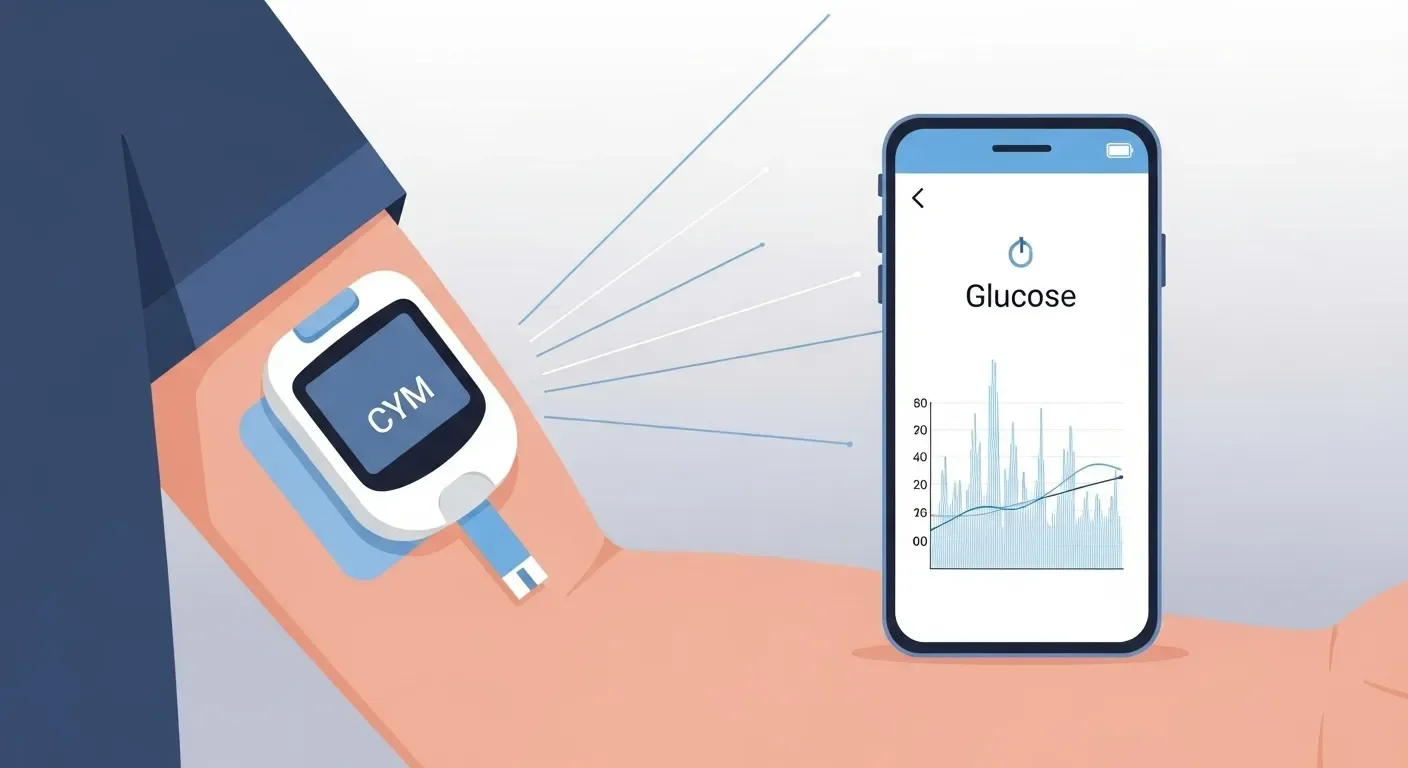
▸ Check glucose as directed — before meals, at bedtime, or with a CGM device
▸ Identify patterns: what foods, activities, or stress spikes your levels?
▸ Share your log with your provider at every visit for better-informed adjustments
3. Take Your Medications as Prescribed
▸ Never skip doses — consistency is critical for stable blood sugar control
▸ Understand what each medication does and its most common side effects
▸ Notify your care team before stopping or changing any medication
4. Eat Smart — Every Meal Matters
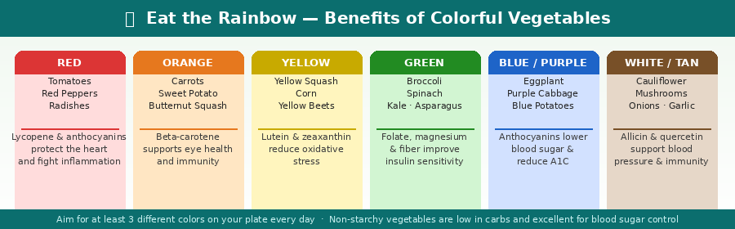
▸ Choose complex carbohydrates: whole grains, legumes, non-starchy vegetables
▸ Limit added sugars, refined carbs, processed foods, and sweetened beverages
▸ Use the Plate Method: ½ plate vegetables · ¼ lean protein · ¼ healthy carbs
▸ Eat at consistent times to prevent glucose swings
5. Move Your Body Daily
▸ Goal: at least 150 minutes per week of moderate activity (brisk walking counts!)
▸ Exercise lowers blood sugar, improves insulin sensitivity, and protects your heart
▸ Break up sitting every 30 minutes — even a short walk makes a difference
▸ Strength training 2–3×/week helps your muscles use glucose more efficiently
6. Recognize & Respond to Blood Sugar Emergencies
▸ Low blood sugar (hypoglycemia) <70 mg/dL: 15g fast carbs (glucose tabs, 4 oz juice), recheck in 15 min
▸ High blood sugar (hyperglycemia): hydrate, check for ketones, contact your team if >300 mg/dL
▸ Wear medical ID and keep emergency snacks accessible at all times
7. Attend All Scheduled Appointments
▸ Endocrinology visits: every 3–6 months depending on control
▸ Annual screenings: eye exam (retinopathy), kidney labs (microalbumin/eGFR), foot exam
▸ Dental cleanings every 6 months — diabetes increases infection risk
8. Care for Your Feet Daily
▸ Inspect feet every day for cuts, blisters, redness, or changes in sensation
▸ Wear well-fitting shoes — never walk barefoot, especially outdoors
▸ Report any wounds, numbness, or tingling to your provider promptly
9. Protect Your Heart & Kidneys
▸ Heart disease is the #1 complication of diabetes — manage BP, cholesterol, and weight
▸ Ask your provider about:
Aspirin therapy
Statin medications
Kidney-protective agents (SGLT-2 inhibitors, GLP-1 agonists)
▸ Avoid NSAIDs (ibuprofen, naproxen) without provider approval — they can harm kidneys
10. Build Your Support System & Manage Stress
▸ sleep well! restorative sleep helps stabilize glycose metabolism
▸ stress management IS diabetes management
▸ Connect with a Diabetes Care team for personalized guidance
▸ Join a diabetes support group — peer support reduces burnout
▸ Practice mindfulness, deep breathing, or other relaxation techniques daily







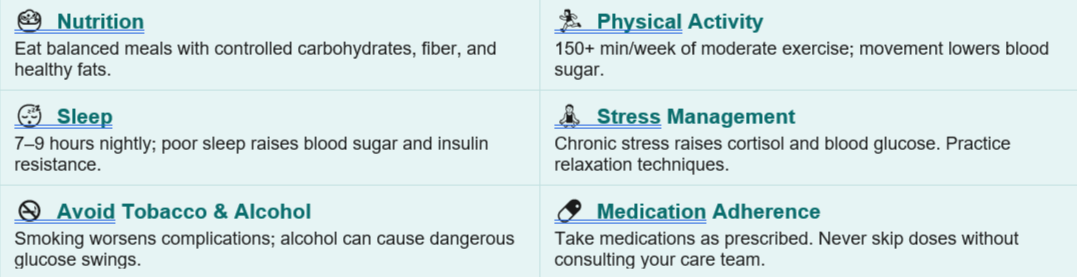
The Six Pillars of Diabetes Lifestyle Education
We encourage all of our patients to learn and follow the six pillars of healthy living. Progress in each area has a compounding, positive effect on your glucose control and overall health